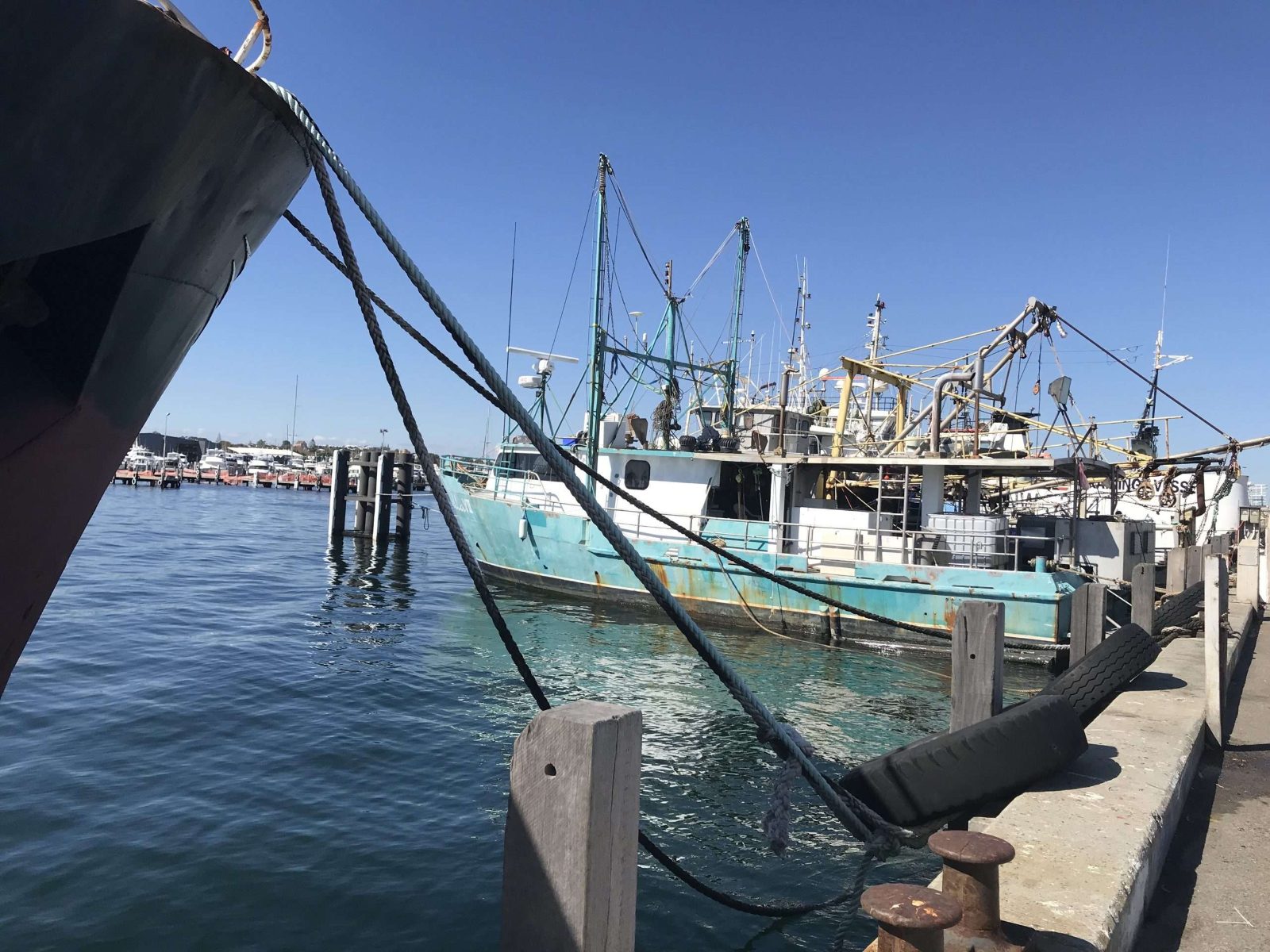
Humpbacks pass Fremantle on a schedule set by water temperature and calving cycles, not by the calendar of tourist high season. This fremantle whale watching season guide sets out which months carry the most reliable sightings, and how far ahead travellers researching dates should commit. It also explains why the harbour itself asks nothing of you before you board.
Quick answer
Whale watching from Fremantle generally runs from September into early December, as humpbacks travel south along the Western Australian coast toward Antarctic feeding grounds. Access to Fremantle Fishing Boat Harbour is free at 0 AUD, with tours priced separately by each operator. Sea conditions are typically calmest between 09:00 and 12:00, which shapes most departure schedules.
The whales off Fremantle are not local residents. They are commuters on one of the longest mammal migrations on the planet, moving between tropical calving waters near the Kimberley and krill-rich Antarctic feeding grounds thousands of kilometres south. Roughly 30,000 humpbacks now use this western corridor each year, a population rebuilt from a few hundred animals after commercial whaling ended in Western Australia in 1978, when the Cheynes Beach station at Albany closed as the country's last operating whaling facility. That migration is what the fremantle whale watching season is actually measuring. Northbound animals in winter tend to pass further offshore and move with purpose. The southbound leg is the one that matters to visitors: mothers travel slowly with new calves, hugging the coast between Rottnest Island and the mainland, and the sheltered water inside that gap produces the calm, close encounters people picture. Blue whales and southern right whales appear in smaller numbers, and pods of bottlenose dolphins are a near-constant presence along the approach to Gage Roads. Vessels depart from Fremantle Fishing Boat Harbour, the working port at the mouth of the Swan River, where fishing fleets, tour catamarans and the Round House heritage precinct sit within a few minutes of each other. For travellers building an itinerary, the practical consequence is that dates should be chosen first and everything else fitted around them. Operators run a compressed calendar, and the strongest weeks fill early — particularly weekends, school holidays and any window overlapping the Fremantle Festival period. Booking several weeks ahead is normal rather than cautious, and most operators run sighting guarantees that rebook rather than refund, which only helps if the trip has spare days in it. A whale watching Fremantle tour cancelled for swell on a Tuesday is recoverable if Wednesday is still open. Weather is the variable no schedule controls. Spring in Perth brings afternoon sea breezes that build steadily through the day, which is why morning sailings dominate the timetable and why an afternoon booking carries more risk of a lumpy return leg. Anyone prone to seasickness should treat that as a planning fact, not a footnote. Read this guide alongside the operator listings, fix the travel window against a Fremantle whale watching season chart of migration months, then confirm departure details directly with the vessel you choose.
“The southbound leg is the one that matters to visitors: mothers travel slowly with new calves, hugging the coast between Rottnest Island and the mainland.”
The Fremantle Fishing Boat Harbour area operates on a consistent daily schedule to accommodate visitors throughout the season. These hours apply to harbour facilities supporting whale watching departures.
Accessing the Fremantle Fishing Boat Harbour area is free of charge. Whale watching tours operate independently and require separate booking and payment for passage.
Verdict: There is no entrance fee to visit the harbour, while tour costs vary based on the specific operator and vessel selected.
The whale watching hub is located at the Fremantle Fishing Boat Harbour in Western Australia. It is accessible via public transport or private vehicle from the Perth metropolitan area.
Fremantle Line to Fremantle Station
Transperth bus routes to Fremantle Station
Kwinana Freeway to Canning Highway
Walk from Fremantle Station via Mews Road
Plan your travel to ensure an arrival between 09:00–12:00. Arriving within this window aligns with the morning tours, which typically offer calmer sea conditions and better visibility.
Work through these steps in order, from the weeks before your trip down to the hour you arrive at Fremantle Fishing Boat Harbour.
Everything you need to know about fremantle whale watching season
The fremantle whale watching season typically runs from June through November, covering both the northern and southern migrations of humpback whales. Tours are available throughout these months as the whales journey along the coast.
The best arrival window for your tour is 09:00–12:00, as morning trips often feature calmer sea conditions and better visibility. Booking a morning slot can enhance your chances of comfortable viewing during your fremantle whale watching season adventure.
Yes, humpback whales are the primary focus of the fremantle whale watching season, often displaying acrobatic surface behaviors. You may also see mothers with calves as they rest in protected waters during the migration.
In addition to humpbacks, you may occasionally encounter southern right whales or rare blue whales during the broader fremantle whale watching season. Keep an eye out for other marine life such as dolphins and various migratory bird species.
There is 0 AUD entrance fee to the harbour area itself, though individual boat tours are priced separately. You can access the public promenades and the working harbour at no cost before your departure.
You should prepare for variable weather on the water, including sun protection and layers for the ocean breeze. Binoculars and a camera are also helpful for capturing the experience during the peak of the fremantle whale watching season.
Booking in advance is highly recommended to secure your spot, especially during the peak months when whale migration activity is highest. Check our site for information on how to access local tour operators.
Most tours departing from the harbour typically range from 2 to 3 hours in duration. These cruises are designed to take you to prime sighting areas off the coast for an immersive wildlife experience.